
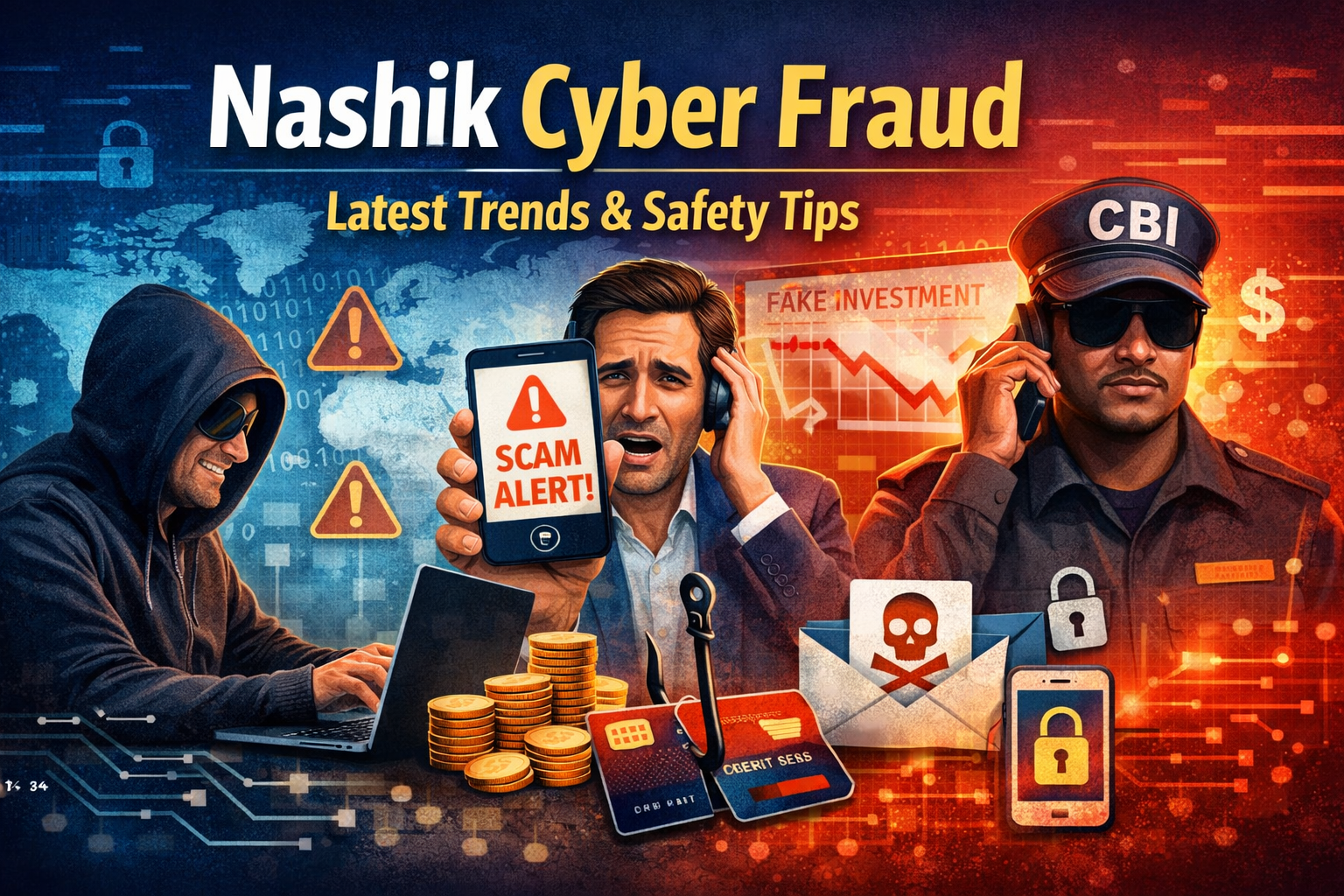
In the digital age, Nashik residents and businesses are increasingly vulnerable to cyber fraud. Not only do these crimes result in significant financial losses, they also erode public trust in online transactions and digital communication channels. Local authorities and the Nashik Cyber Police are responding with awareness campaigns and enforcement actions, yet cybercriminals continue to adapt their tactics rapidly. Understanding these trends and adopting robust safety practices is essential for individuals and organisations alike.
Rise in Financial Cybercrimes
Recent data indicates that cyber fraud losses in Nashik have escalated substantially. In 2024, residents reportedly lost approximately Rs 54 crore to various online frauds — a dramatic increase compared to previous years, reflecting nearly eightfold growth in total loss value.
Fraudsters commonly use fake share market and investment platforms to lure investors with promises of high returns. These scams often begin with unsolicited invitations via social media or messaging apps, directing victims to download trading applications or access fraudulent websites. Once funds are transferred, victims find it nearly impossible to withdraw their money, and communication from scammers ceases.
In one notable case, a Nashik businesswoman lost Rs 1.10 crore after being enticed into a fake share investment scheme through a WhatsApp group, underlining how even financially literate individuals can fall prey to sophisticated schemes.
Impersonation and “Digital Arrest” Scams
Impersonation scams remain one of the most deceptive forms of cyber fraud in Nashik. In these schemes, fraudsters pose as officials from government bodies such as the CBI, TRAI, or police, claiming the victim is under investigation or needed for alleged legal violations. They then pressure victims into transferring funds to “safe accounts” to avoid arrests or penalties.
One such case involved a Nashik resident who was coerced into transferring over Rs 2.14 crore after receiving WhatsApp messages from someone impersonating TRAI and CBI officials.
Illegal Call Centres and Cross-Border Scams
Law enforcement agencies have uncovered organised cyber fraud operations in Nashik involving illegal call centres. The Central Bureau of Investigation (CBI) recently busted two such call centres that targeted foreign nationals, particularly in the UK, by impersonating insurance agents and government authorities. These operations used Voice over Internet Protocol (VoIP) services, spoofed phone numbers, and fake documentation to extract banking details and payments from victims.
These call centres employed numerous individuals and processed calls to defraud hundreds of unsuspecting victims, highlighting the organised and cross-border nature of certain cybercriminal networks.
Smaller-Scale Scams and App-Based Frauds
Aside from large-scale frauds, everyday Nashik residents have faced smaller but no less damaging cyber scams. Several cases have been reported where individuals were tricked into installing apps or clicking links that granted fraudsters access to their devices, facilitating unauthorised transfers or data theft.
Crypto-related scams and fraudulent online marketplaces have also emerged, with reports of cryptocurrency frauds resulting in multi-lakh rupee losses. (Local news video reports have covered such incidents indicating an expanding variety of fraud types targeting different demographic groups.)
Police and Public Awareness Initiatives
In response to the growing cybercrime threat, the Nashik Cyber Police Station and city police authorities have started proactive outreach efforts to educate the public. These include awareness campaigns in public spaces such as parks and jogging tracks to share information on how online frauds occur and how citizens can protect themselves.
While awareness is rising, law enforcement continues to emphasise that prevention largely depends on informed citizens, as cybercriminal tactics evolve with new technologies and social engineering strategies.
Common Cyber Fraud Tactics in Nashik
To better protect yourself, it helps to understand the common tactics used by cybercriminals:
- Impersonation Calls and Messages: Fraudsters pose as officials or service representatives demanding immediate action or payment.
- Fake Investment Platforms: Promises of high returns with minimal risk, often through bogus trading apps or links.
- Phishing Links: Fraudulent links sent via email, SMS, or messaging apps designed to steal login credentials or install malware.
- Spoofed Numbers and VoIP Calls: Scammers use technology to disguise caller ID details, making calls appear legitimate.
- Social Media Recruitment: Invitations through social platforms to join investment or job opportunities that require upfront payment.
Practical Safety Tips for Nashik Residents
Here are actionable steps to safeguard your personal and financial information:
1. Verify Identities Independently
Before responding to any unsolicited call, text, or email, verify the identity of the caller or sender through official channels. Do not use contact details provided in the suspicious message itself.
2. Avoid Clicking Unverified Links
Do not click on links from unknown sources or in unexpected messages. These links can lead to phishing sites or install malware.
3. Use Two-Factor Authentication (2FA)
Enable 2FA for all your online banking, email, and financial accounts. This adds an extra layer of security in case your password is compromised.
4. Be Wary of Unrealistic Offers
If an investment returns promise seems too good to be true, it likely is. Always conduct independent research or consult a financial professional.
5. Regularly Monitor Accounts
Keep a close eye on bank statements and transaction alerts. Early detection of unusual activity can prevent larger losses.
6. Report Suspected Fraud Quickly
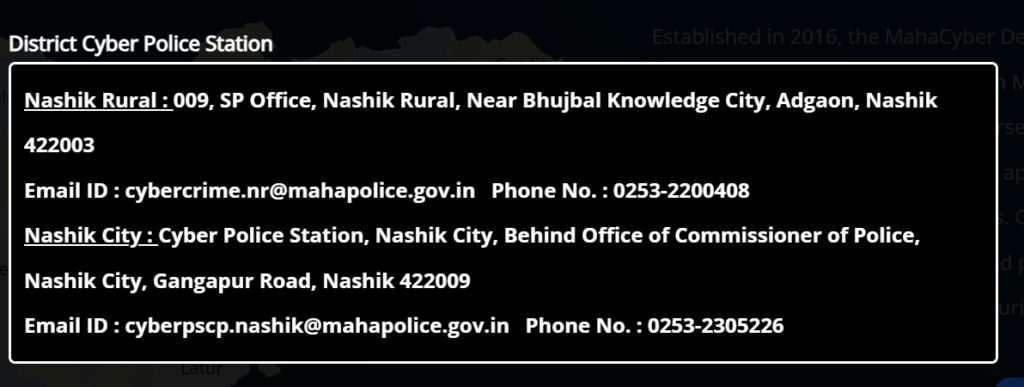
If you suspect you’ve been targeted, report the incident to the Nashik Cyber Police Station immediately and file a complaint on the National Cyber Crime Reporting Portal.
Conclusion
Cyber fraud in Nashik is a significant and growing concern affecting a wide cross-section of the community. From high-value investment scams to impersonation and call centre frauds, the threat landscape continues to evolve. By staying informed about the latest trends and implementing robust digital safety practices, individuals and businesses can reduce their risk of becoming victims. Collaboration between citizens and law enforcement is crucial to create a safer digital ecosystem in Nashik.